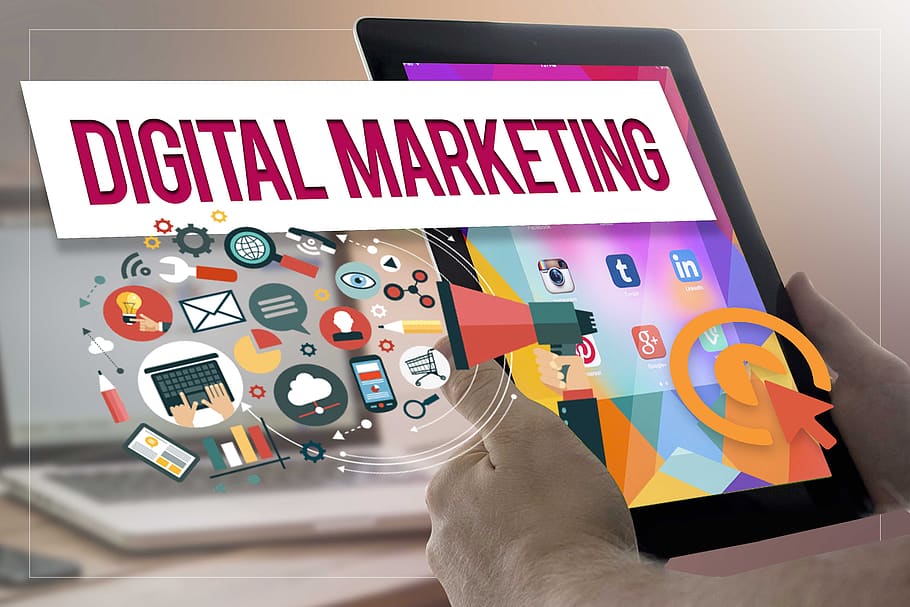
Digital marketing in 2026 is smarter, faster, and more data-driven than ever before. With AI-powered tools, evolving search algorithms, and changing consumer behavior, businesses must adapt quickly to stay competitive. Whether you are a student, entrepreneur, freelancer, or business owner, understanding digital marketing in 2026 is essential for sustainable online growth.
This ultimate beginner’s guide will walk you through everything you need to know — from core channels and strategies to tools, trends, and step-by-step planning.
She wasn’t doing a thing that I could see, except standing there leaning on the balcony railing. We are all in the gutter, but some of us are looking at the stars. The unexamined life is not worth living.
What Is Digital Marketing in 2026?
Digital marketing refers to promoting products or services using online channels such as search engines, social media, email, websites, and mobile apps. In 2026, digital marketing is no longer just about running ads — it is about:
- Personalization powered by AI
- Data-driven decision making
- Omnichannel marketing strategies
- User experience optimization
- Automation and smart targeting
Businesses now focus on delivering value-driven content that solves real problems while building trust and long-term relationships.
Why Digital Marketing Is More Important Than Ever
Consumer behavior has drastically shifted toward online platforms. People research products, compare reviews, and make purchasing decisions digitally.
Here’s why digital marketing in 2026 is crucial:
- Most buying journeys begin online
- Mobile usage continues to dominate
- Social commerce is growing rapidly
- AI-driven search is reshaping SEO
- Customers expect personalized experiences
If your business does not have a strong digital presence, you are already behind your competitors.
Core Channels of Digital Marketing in 2026
Understanding each digital marketing channel helps beginners choose the right strategy.
1. Search Engine Optimization (SEO)
SEO remains the foundation of long-term organic growth. Ranking on search engines like Google drives consistent, high-quality traffic.
Key SEO elements in 2026 include:
- Search intent optimization
- AI content refinement
- Voice search optimization
- Core Web Vitals improvement
- E-E-A-T (Experience, Expertise, Authority, Trust)
SEO is no longer about keyword stuffing. It’s about delivering high-value, helpful content.
2. Social Media Marketing
Platforms such as Instagram, TikTok, and LinkedIn dominate digital engagement in 2026.
Trends shaping social media marketing:
- Short-form video content
- Influencer collaborations
- Live shopping features
- Community-based marketing
- AI-generated captions and creatives
Social media is now a full sales channel, not just a branding tool.
3. Content Marketing
Content marketing builds trust and authority. Blogs, videos, podcasts, and infographics drive awareness and nurture leads.
Effective content strategies include:
- Topic clusters and pillar pages
- Educational long-form content
- Data-backed articles
- Storytelling and case studies
- Interactive content formats
Quality always beats quantity.
4. Pay-Per-Click (PPC) Advertising
Paid advertising delivers instant visibility. Platforms like Google Ads and Meta Ads allow businesses to target specific audiences.
Benefits of PPC:
- Immediate traffic
- Precise targeting
- Budget control
- Measurable ROI
In 2026, AI automates bidding strategies and audience optimization.
5. Email Marketing
Email marketing continues to generate one of the highest returns on investment.
Modern email strategies focus on:
- Behavior-based automation
- Segmented campaigns
- Personalized subject lines
- Interactive email design
Automation tools make nurturing leads easier than ever.
Step-by-Step Digital Marketing Plan for Beginners
If you’re starting from scratch, follow this simple framework:
Step 1: Define Clear Goals
Set SMART goals:
- Increase website traffic
- Generate leads
- Improve brand awareness
- Boost online sales
Clear goals guide your strategy.
Step 2: Identify Your Target Audience
Understand:
- Age and demographics
- Interests and behavior
- Pain points
- Buying motivations
Use analytics tools and surveys to gather insights.
Step 3: Build a Professional Website
Your website is your digital headquarters. Ensure:
- Fast loading speed
- Mobile responsiveness
- Clear call-to-actions
- SEO optimization
- Secure HTTPS connection
A slow website can destroy conversions.
Step 4: Choose the Right Channels
Not every platform suits every business. For example:
- B2B companies perform well on LinkedIn
- Fashion brands thrive on Instagram
- Educational content grows on YouTube
Focus on 2–3 channels first instead of trying everything.
Step 5: Create High-Quality Content
Develop a content calendar. Publish consistently. Focus on solving real problems instead of only selling.
Step 6: Track and Optimize
Use analytics tools to monitor:
- Traffic sources
- Bounce rate
- Conversion rate
- Cost per acquisition
Optimization is ongoing. Digital marketing in 2026 requires continuous testing and improvement.
Top Digital Marketing Trends in 2026
Staying updated with trends is essential.
1. AI-Powered Marketing
AI tools help generate content, analyze data, predict trends, and automate campaigns.
2. Voice Search Optimization
More users search via smart assistants. Content must be conversational and direct.
3. Video-First Strategy
Short-form videos dominate engagement across platforms.
4. Privacy-Focused Marketing
With increasing data regulations, first-party data collection is crucial.
5. Hyper-Personalization
Consumers expect personalized recommendations and offers.
Common Beginner Mistakes to Avoid
Many beginners struggle because they:
- Expect overnight success
- Ignore SEO fundamentals
- Post inconsistent content
- Target everyone instead of a niche
- Avoid analyzing data
Patience and consistency are key to online growth.
Best Tools for Digital Marketing in 2026
Here are essential tools beginners should explore:
- SEO tools (keyword research and audits)
- Social media scheduling tools
- Email automation platforms
- Analytics dashboards
- Graphic design software
Choosing the right tools improves efficiency and results.
Career Opportunities in Digital Marketing
Digital marketing is not just for businesses — it is also a high-demand career path.
Popular roles include:
- SEO Specialist
- Content Marketer
- PPC Manager
- Social Media Strategist
- Email Marketing Expert
- Marketing Automation Specialist
With remote work opportunities increasing, digital marketing offers global career flexibility.
How to Start Digital Marketing Today
If you want to begin immediately:
- Create a simple website or blog
- Choose a niche
- Start publishing valuable content
- Learn SEO basics
- Experiment with small paid campaigns
- Analyze and improve
Consistency will compound results over time.
Final Thoughts
Digital marketing in 2026 is dynamic, competitive, and full of opportunities. Beginners who focus on learning fundamentals, adapting to trends, and delivering real value will achieve sustainable online growth.
Success does not come from shortcuts. It comes from strategy, creativity, data analysis, and continuous improvement.